


Solar cells are the foundation of every photovoltaic module. Their architecture, materials and manufacturing precision directly influence efficiency, energy yield and long-term reliability. Leveraging advanced photovoltaic technology, precision engineering and stringent quality standards, we manufacture high-performance solar cells designed for reliable, large-scale solar applications.


High-efficiency Solar Cells
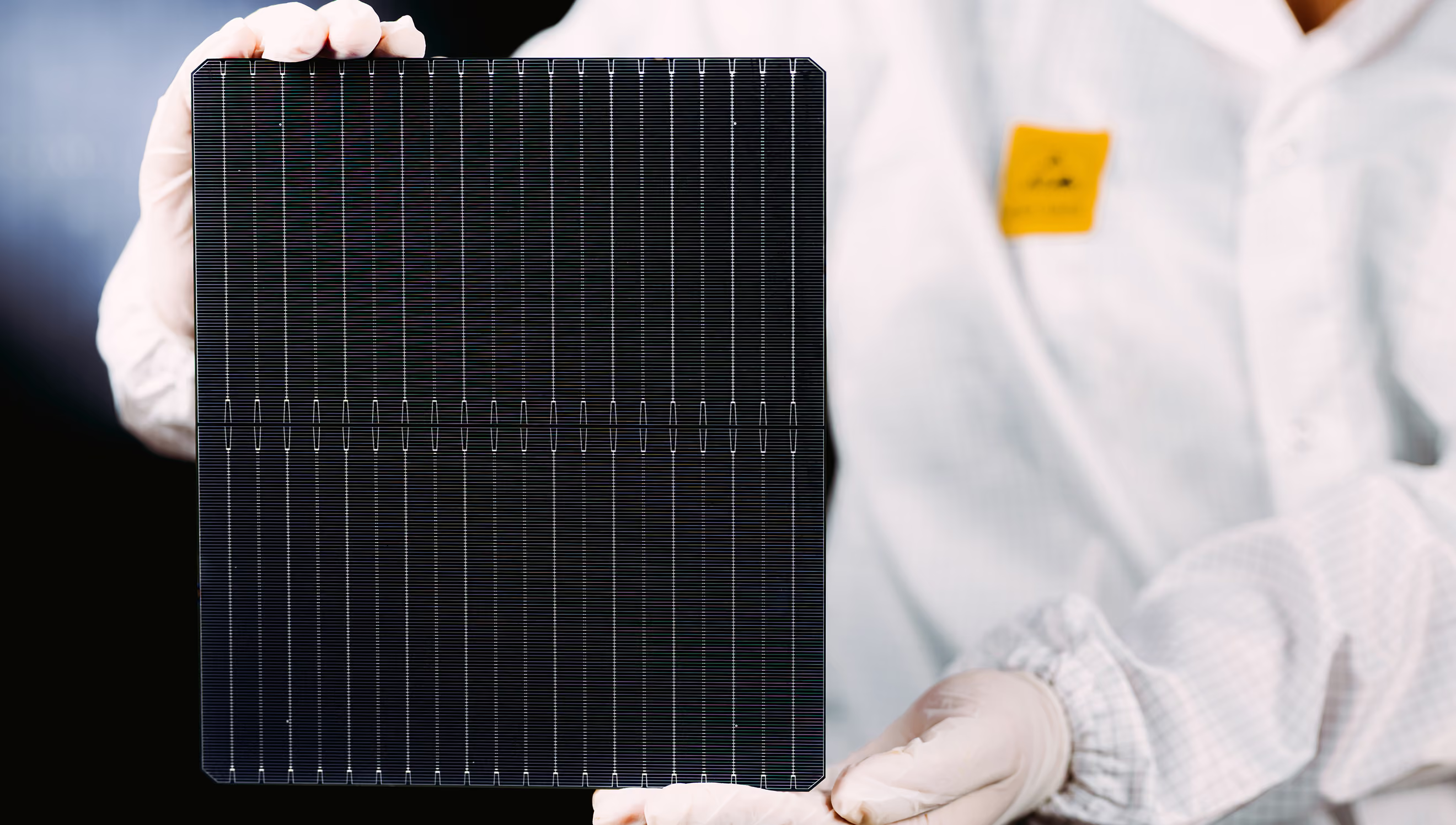
N-Type TOPCon bar
- 27.06%
- NEXT-GENERATION
- Lower degradation
- Better low-light output
- Superior thermal performance
- High bifaciality
- Higher lifetime energy yield
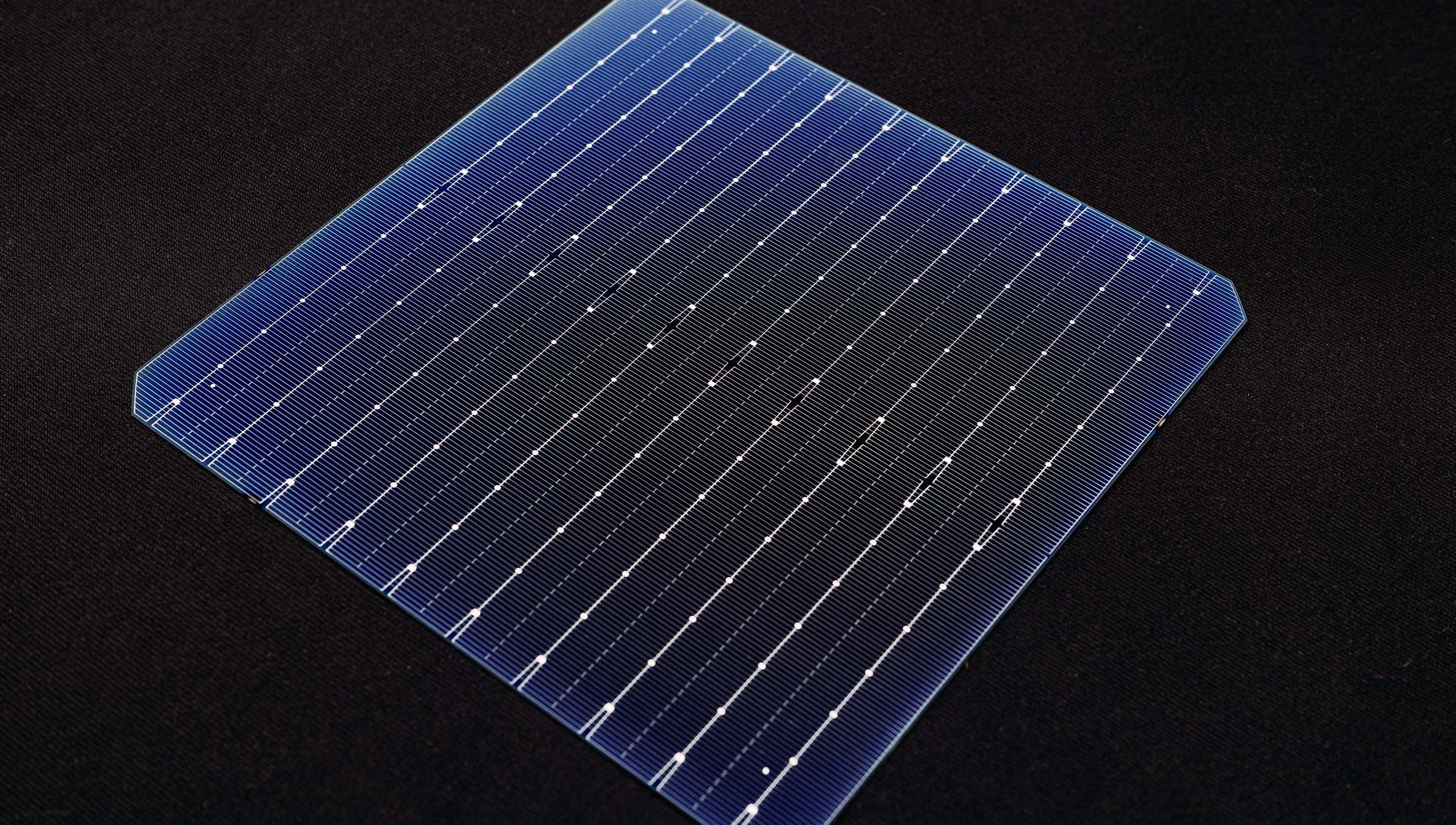
Mono PERC
- 24%
- PROVEN PERFORMANCE
- Proven reliability
- Stable performance
- Cost-effective for commercial & utility-scale
- Residential & C&I applications
Mono PERC
- 24%
- PROVEN PERFORMANCE
- Proven reliability
- Stable performance
- Cost-effective for commercial & utility-scale
- Residential & C&I applications
N-Type TOPCon bar
- 27.06%
- NEXT-GENERATION
- Lower degradation
- Better low-light output
- Superior thermal performance
- High bifaciality
- Higher lifetime energy yield
As high bifaciality solar cells, N-Type TOPCon advances energy conversion efficiency while supporting low degradation solar modules.
- 27.6%
Heading
Maximum Cell Efficiency
- ~1%
Heading
First-Year Degradation
- ~0.40%
Heading
Annual Degradation
- Excellent
Heading
Low-Light Performance
- High
Heading
Bifacial Capability
- Lower
Heading
LCOE
layers

Silver Grid
Collects and transfers electrical current with minimal resistance.
Anti-Reflective Layer
Reduces light reflection, allowing more sunlight to enter the cell.
N-Type Silicon
Provides higher efficiency and lower degradation than conventional cell substrates, leveraging N-type silicon for long-term stability.
Tunnel Oxide
Enables efficient carrier transport while reducing electrical losses.
Passivated Contact
Minimizes electron recombination to improve energy conversion efficiency.
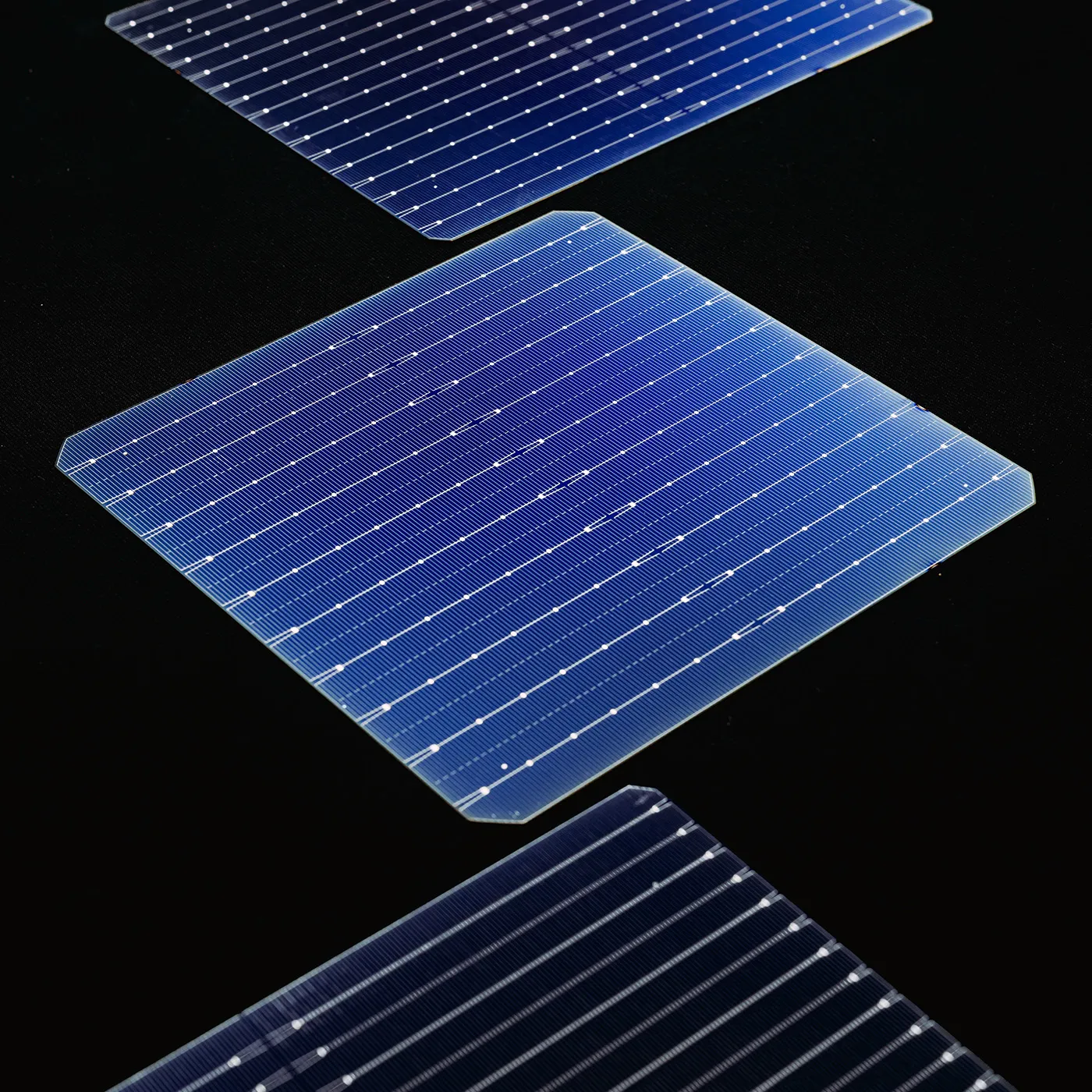

Every advancement in solar cell engineering and solar cell efficiency engineering is designed to reduce electrical losses, improve energy conversion efficiency and maximize long-term performance.
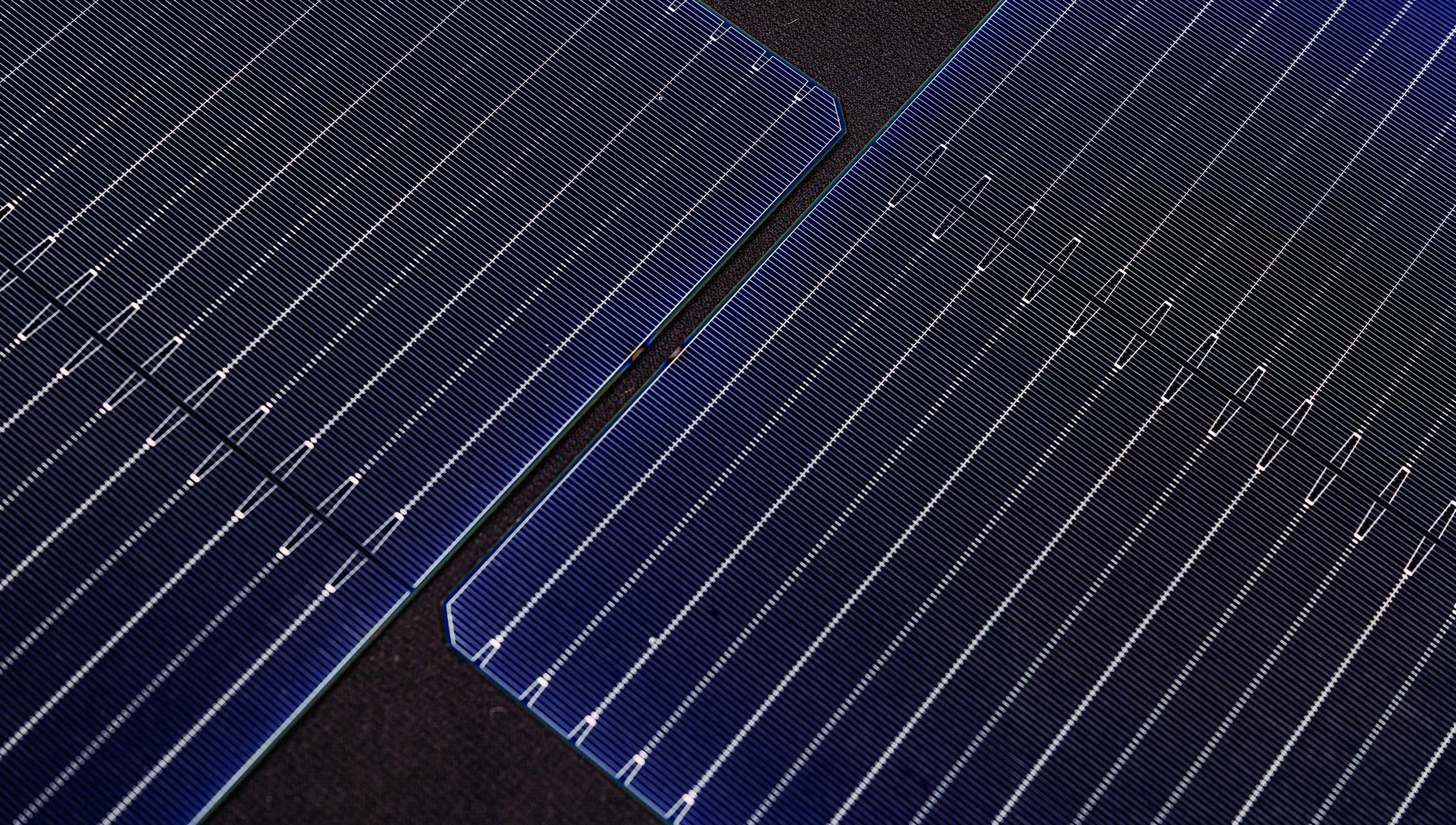
Zero Bus Bar
What it does?
Eliminates conventional busbars to maximize the active surface area of the solar cell; this zero bus bar technology (ZBB) also simplifies layout.
Why it Matters?
With more sunlight reaching the active cell surface, Zero Bus Bar technology helps improve energy generation while supporting modern module designs.
Performance Benefits
- Reduces shading losses
- Improves current collection
- Enables a cleaner cell architecture
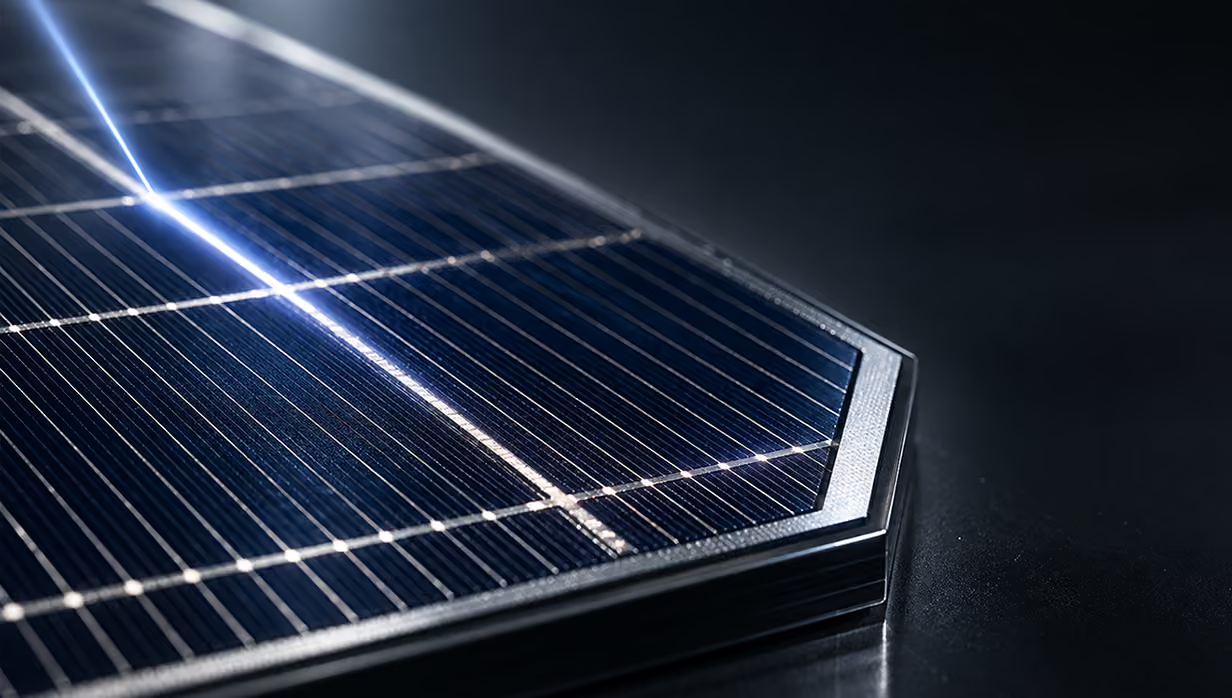
LECO
(Laser Enhanced Contact Optimisation)
What it does?
Optimizes the electrical contact between the metallization and the silicon wafer using laser enhanced contact optimisation (LECO).
Why it Matters?
Enhanced electrical conductivity contributes to better cell performance while supporting consistent manufacturing quality.
Performance Benefits
- Lower contact resistance
- Improved carrier transport
- Higher conversion efficiency
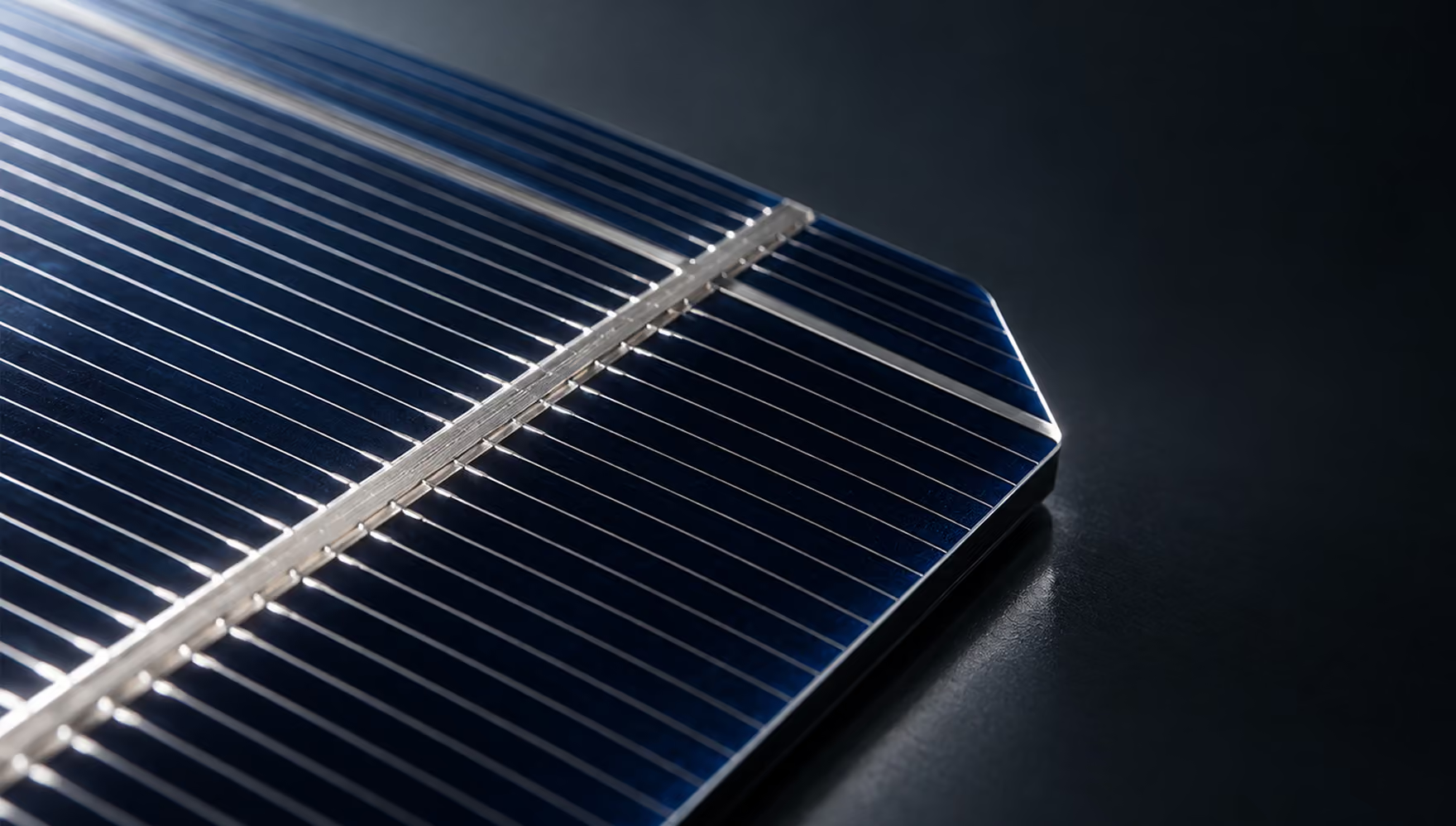
Poly Finger Metallization
What it does?
Uses finer and more closely spaced conductive fingers to collect electrical current more efficiently (poly finger metallization).
Why it Matters?
By improving conductivity while reducing material usage, Poly Finger technology supports both performance and manufacturing efficiency.
Performance Benefits
- Improved current collection
- Lower electrical resistance
- Optimized silver consumption
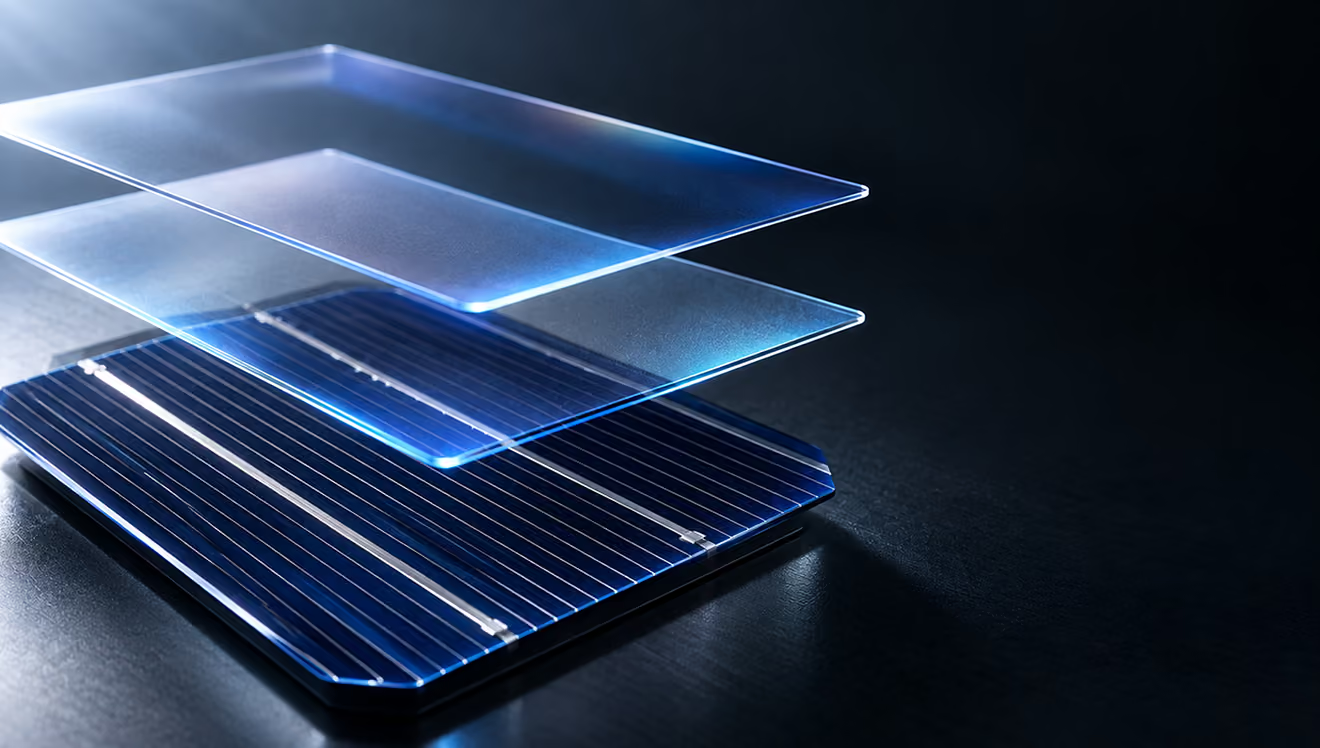
Advanced Passivation
What it does?
Reduces electron recombination across the silicon surface through advanced solar passivation.
Why it Matters?
More generated charge carriers contribute to electricity production, helping maximize energy conversion.
Performance Benefits
- Higher voltage
- Improved conversion efficiency
- Lower long-term degradation
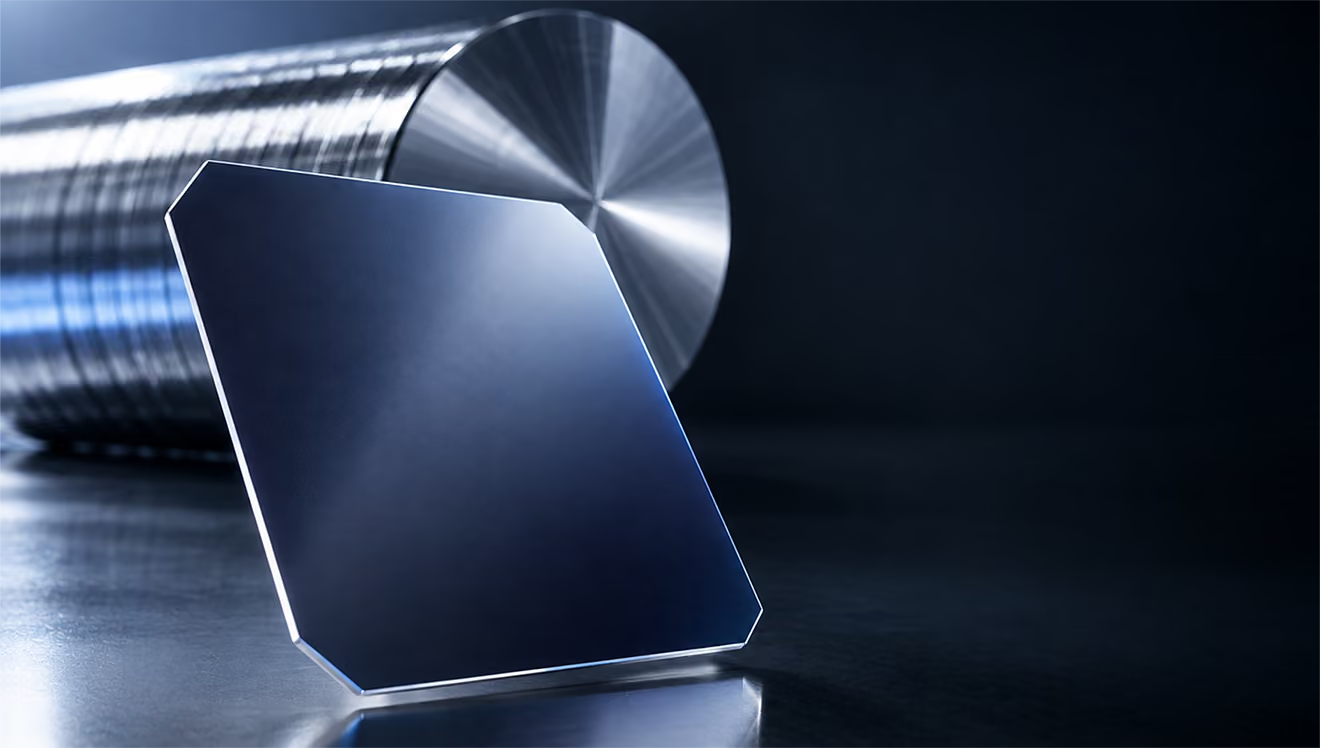
N-Type Silicon
What it does?
Uses phosphorus-doped silicon wafers to improve electrical performance and long-term stability.
Why it Matters?
N-Type silicon provides a stable foundation for high efficiency solar cells designed for long-term energy generation.
Performance Benefits
- Lower degradation
- Better temperature performance
- Higher bifaciality
Zero Bus Bar
What it does?
Eliminates conventional busbars to maximize the active surface area of the solar cell; this zero bus bar technology (ZBB) also simplifies layout.
Why it Matters?
With more sunlight reaching the active cell surface, Zero Bus Bar technology helps improve energy generation while supporting modern module designs.
Performance Benefits
- Reduces shading losses
- Improves current collection
- Enables a cleaner cell architecture
LECO
(Laser Enhanced Contact Optimisation)
What it does?
Optimizes the electrical contact between the metallization and the silicon wafer using laser enhanced contact optimisation (LECO).
Why it Matters?
Enhanced electrical conductivity contributes to better cell performance while supporting consistent manufacturing quality.
Performance Benefits
- Lower contact resistance
- Improved carrier transport
- Higher conversion efficiency
Poly Finger Metallization
What it does?
Uses finer and more closely spaced conductive fingers to collect electrical current more efficiently (poly finger metallization).
Why it Matters?
By improving conductivity while reducing material usage, Poly Finger technology supports both performance and manufacturing efficiency.
Performance Benefits
- Improved current collection
- Lower electrical resistance
- Optimized silver consumption
Advanced Passivation
What it does?
Reduces electron recombination across the silicon surface through advanced solar passivation.
Why it Matters?
More generated charge carriers contribute to electricity production, helping maximize energy conversion.
Performance Benefits
- Higher voltage
- Improved conversion efficiency
- Lower long-term degradation
N-Type Silicon
What it does?
Uses phosphorus-doped silicon wafers to improve electrical performance and long-term stability.
Why it Matters?
N-Type silicon provides a stable foundation for high efficiency solar cells designed for long-term energy generation.
Performance Benefits
- Lower degradation
- Better temperature performance
- Higher bifaciality
Explore our portfolio of Mono PERC and N-Type TOPCon solar cells, engineered with TOPCon technology to drive reliable performance.
Frequently asked questions


N-Type TOPCon targets next generation performance with higher cell efficiency (up to 27.06%), lower degradation, better low-light output, superior thermal behavior, higher bifaciality, and higher lifetime energy yield ideal for demanding commercial and industrial use cases and lowering LCOE. Mono PERC delivers proven, stable performance at up to 24% efficiency and is cost effective for commercial, utility scale, residential, and C&I applications. Choose N-Type TOPCon when maximum energy yield and durability are priorities; choose Mono PERC when you need reliable performance with strong cost efficiency.
Cell efficiency (up to 27.06% for N-Type TOPCon; 24% for Mono PERC) indicates how effectively the cell converts sunlight into electricity. Lower degradation about 1% in the first year and ~0.40% annually thereafter for N-Type TOPCon means the cell maintains its output more effectively over time. Combined, higher initial efficiency plus slower performance loss translates into greater lifetime energy production and a lower LCOE.
High bifacial capability means the cell can effectively capture light from both the front and rear sides, increasing total energy generation especially in reflective environments. Excellent low-light performance helps maintain output during cloudy conditions, early mornings and late afternoons. Together, they increase energy yield across more hours and conditions, improving project economics.
Each layer plays a targeted role: the Silver Grid collects and transfers current with minimal resistance; the Anti-Reflective Layer lets more sunlight enter the cell; N-Type Silicon offers higher efficiency and lower degradation for long-term stability; the Tunnel Oxide enables efficient carrier transport while reducing losses; and the Passivated Contact minimizes electron recombination to boost energy conversion. Combined, these layers are engineered to reduce losses and increase efficiency and durability.
Zero Bus Bar removes conventional busbars to maximize active cell area, reducing shading and improving current collection. LECO (Laser Enhanced Contact Optimisation) improves the interface between metallization and silicon, lowering contact resistance and enhancing carrier transport. Poly Finger Metallization uses finer, denser fingers for better current collection, lower resistance, and optimized silver use. Advanced Passivation reduces electron recombination, supporting higher voltage, improved conversion efficiency, and lower long-term degradation. Together, these engineering choices reduce electrical losses and elevate consistent, long-term performance.